Garden landscaping in Brixton: practical outdoor spaces designed for local homes and businesses
If you are looking for Garden landscaping in Brixton, you are probably after more than a quick tidy-up. Many local properties need thoughtful outdoor design that works with limited space, shared access, busy streets, and the everyday reality of London living. Whether you have a compact rear garden, a split-level courtyard, a roof terrace, or a larger family garden, the right landscaping approach can make the space feel easier to use, better looking, and more enjoyable all year round.
Brixton has a character all its own. From Victorian terraces and converted flats to newer developments and mixed-use commercial premises, local outdoor spaces come in many shapes and sizes. That is why a one-size-fits-all approach rarely works. A well-planned landscape should suit the property, the people who use it, and the practical conditions on site. If you want a garden that feels more welcoming, more manageable, and more suited to your day-to-day life, a local landscaping service can help you get there.
We work with homeowners, landlords, tenants with permission, property managers, and businesses across the area who want outdoor space that is attractive and useful. From planting and lawn work to paving, edging, raised beds, fencing, and full garden redesigns, the aim is always the same: create a space that feels considered, durable, and right for Brixton.
Why Brixton gardens need a local approach

Brixton gardens often need careful planning because local conditions can be challenging in ways that are not always obvious at first glance. Narrow side passages, limited rear access, basement steps, sloping plots, and close neighbouring properties all affect how work is carried out and what materials make sense. A local team understands these issues and plans landscaping around them, rather than treating them as an afterthought.
In many Brixton streets, properties back onto each other closely, which means privacy, screening, noise, and drainage all matter. A practical garden design can reduce overlooked areas, create more usable seating space, and make a small garden feel larger without overcomplicating it. The best results come from balancing style with everyday usability, especially where families, sharers, or busy professionals want an outdoor area that is easy to enjoy without constant upkeep.
Local knowledge also helps with materials and planting choices. Soil conditions, shade from surrounding buildings, wind exposure, and the amount of direct sun can vary from one garden to the next. A patio that gets heavy use, for example, may need a different finish from a quiet planting bed in a sheltered corner. By choosing suitable surfaces and plant varieties, you can reduce maintenance and improve long-term performance.
What local customers often need most
People searching for landscaping in Brixton are usually looking for a practical improvement rather than a complete reinvention. Common requests include making a tired garden feel smarter, adding structure to a blank outdoor space, improving access, or changing a layout that no longer suits the household. For commercial customers, the focus may be on creating a tidy frontage, a welcoming seating area, or a low-maintenance outdoor space that reflects the business properly.
Garden landscaping services for Brixton properties
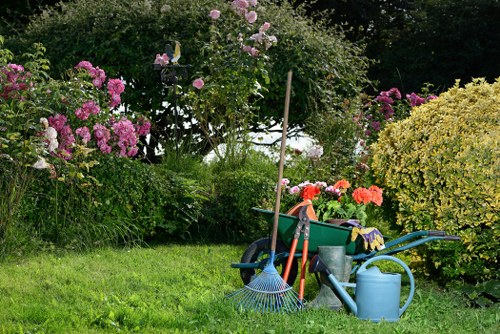
A good landscaping service should cover the parts of a garden that make the biggest difference to how it looks and functions. That might mean starting with layout and hard landscaping, or it may involve refining an existing space with planting, borders, and finishing touches. The right plan depends on your goals, budget, and the current condition of the garden.
Typical garden landscaping services include:
- Garden redesign and layout planning
- Patios, paving, and decorative hard surfaces
- Pathways and stepping stone features
- Fencing, screening, and boundary improvements
- Raised beds, planters, and retaining features
- Turfing, artificial grass, and lawn restoration
- Planting schemes suited to local conditions
- Tree and shrub shaping within a wider garden plan
- Gravel areas and low-maintenance finishes
- Drainage improvements where water pooling is a problem
Some customers need a full transformation; others just want targeted improvements. For example, a small terraced garden in Brixton Hill may benefit from cleaner paving, built-in planting, and clever storage zoning, while a larger family garden near Streatham Hill or Herne Hill may need lawn restructuring, safer play space, and more defined seating areas. Commercial premises around Brixton Village, Acre Lane, or busy local routes may need durable, attractive landscaping that holds up well under regular use.
The most successful projects start with a clear understanding of how the space will be used. A garden designed for entertaining will need different features from one intended for quiet relaxation, pets, or low-effort upkeep. Good landscaping takes those needs seriously from the beginning.
How we think about practical improvements
Instead of focusing only on appearance, we look at movement, maintenance, drainage, light, privacy, and durability. That approach helps ensure the finished garden is pleasant to use and not difficult to live with.
What is included in a landscaping project

Every project is different, but a typical garden landscaping job in Brixton usually includes a mix of planning, preparation, construction, and finishing work. The exact scope depends on your current garden and the changes you want to make. Some customers want a simple refresh, while others need a full rebuild of the outdoor area from the ground up.
Many projects begin with a site assessment. This is where the existing layout, access, levels, drainage, sunlight, and current features are reviewed. It is also the best time to discuss how you want the space to function. Do you want room for dining? A more child-friendly lawn? Better planting around the edges? Easier maintenance? A clearer route from the back door to the rest of the garden? These details shape the design.
Work may include:
- Clearing old features, overgrowth, or worn-out surfaces
- Preparing the ground and improving levels
- Installing paving, edging, or structural features
- Creating borders for shrubs, herbs, flowers, or seasonal plants
- Adding turf or other lawn alternatives
- Building raised planters for easier maintenance and stronger visual impact
- Improving boundary privacy with fencing, trellis, or planting
- Finishing with mulch, gravel, decorative stones, or lighting-ready layout choices
A landscaping project should not feel pieced together at random. Even smaller gardens benefit from a clear structure, where hard surfaces and soft planting work together. This makes the space feel intentional and helps avoid that cluttered look that can happen when too many ideas are squeezed into a compact area.
For properties with limited space
In Brixton, many outdoor spaces are modest in size. That does not mean they cannot be impressive. It simply means the design needs to be smart. Vertical planting, tiered beds, built-in seating, and carefully chosen surfaces can make even a small garden feel more spacious and more useful.
How the service works from first enquiry to finished garden

A straightforward process helps keep the work smooth and predictable. Customers often want to know what happens first, how long things may take, and how the garden will be handled while the work is in progress. A local landscaping team should be able to explain the process clearly and keep communication simple throughout.
Typical steps in a garden landscaping project:
- Initial discussion – You explain what you want from the space, what problems need solving, and what style you prefer.
- Site visit and assessment – The garden is reviewed in person so access, layout, and practical constraints can be understood properly.
- Planning and scope – The work is outlined so you know what is included and what the likely sequence will be.
- Preparation – Existing materials, overgrowth, or damaged features are removed and the site is made ready.
- Build and installation – Hard landscaping, planting, and other agreed elements are completed carefully.
- Finishing and tidy-up – Final details are checked, the garden is left neat, and you can see how everything works together.
For many Brixton properties, access is a big consideration. Materials may need to be carried through narrow entrances, shared hallways, side gates, or internal passages. That is another reason local experience matters. A team that is used to working in London homes is more likely to plan deliveries, staging, and site protection in a way that reduces disruption.
Garden landscaping for a busy residential street or a commercial property also benefits from organised scheduling. The less disruption there is to neighbours, customers, or tenants, the easier the project tends to feel. Good preparation can make a noticeable difference to the whole experience.
Planning for shared and awkward access
In terraced streets and converted buildings, it is common for access to be limited. A practical landscaping team takes care to protect internal routes, manage waste removal sensibly, and work in a way that fits the property rather than forcing a standard setup that does not belong there.
Design ideas that work well in Brixton gardens
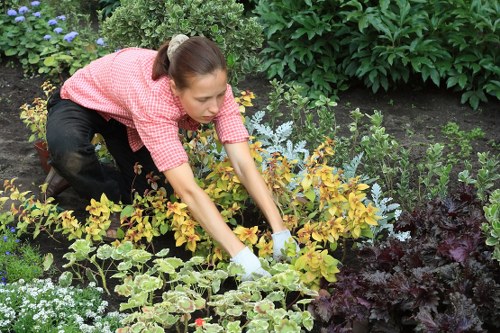
Good landscaping should reflect how people actually live. In Brixton, that often means making outdoor space suitable for relaxing after work, hosting friends, growing a few plants, or giving children a safe place to play. Some properties benefit from a polished contemporary look, while others suit something more relaxed and green. The right choice depends on your home, your taste, and the amount of time you want to spend on upkeep.
Popular approaches for local gardens include:
- Modern low-maintenance layouts with clean paving, gravel, and structured planting
- Family-friendly designs with durable lawn areas and easy access to seating
- Urban courtyard gardens using raised beds, vertical planting, and hard-wearing finishes
- Natural planting schemes that bring colour and texture through the seasons
- Outdoor entertaining spaces with defined dining and lounging zones
- Privacy-focused designs using trellis, screening plants, and boundary improvements
For example, a narrow garden off Coldharbour Lane may benefit from a long visual line with planting at the edges and a simple central path, while a broader garden near Clapham or Herne Hill boundaries may suit separate zones for dining, lawn, and borders. Roof terraces and terrace-style outdoor areas often need lightweight materials, container planting, and thoughtful layout choices to avoid crowding the space.
Plant selection can transform a garden without requiring constant attention. If you want colour but do not want a high-maintenance border, the solution may be a blend of evergreen structure, seasonal interest, and carefully chosen flowering plants. If you prefer a sharper look, clipped hedging, architectural planting, and a restrained palette may be better. A local landscaping service can help you find the balance that suits your routine.
Making a small space feel bigger
There are several ways to create the impression of more room, including lighter paving, diagonal lines, layered planting, and simple layouts that avoid visual clutter. In many Brixton gardens, less can actually be more.
Why choose a local Brixton landscaping company
Choosing a local team brings practical advantages that matter when you are improving a real property rather than planning a magazine-style concept. A company familiar with Brixton is more likely to understand the pressure of limited parking, busy roads, side access issues, and the mix of housing stock across the area. That can make the whole process easier, faster, and more predictable.
Benefits of working with a local landscaping team:
- Better understanding of Brixton property layouts and access constraints
- Faster response and easier scheduling for site visits or follow-up work
- Knowledge of nearby areas and typical garden conditions
- More practical advice on materials, planting, and maintenance
- Familiarity with residential and commercial requirements
- Clearer planning for waste removal, deliveries, and equipment movement
Local businesses also tend to be more accountable in day-to-day service. If you need a practical answer about design choices, garden use, or how to phase a project over time, it helps to speak with someone who knows the local environment and the sort of issues Brixton property owners face regularly.
There is also value in continuity. If you later want extra planting, a new border, seasonal tidy-up work, or further improvements, it is helpful to have a landscaping company that already understands the space. That familiarity can save time and avoid repeating decisions that have already been made.
Good fit for homes and businesses
Whether you are improving a private garden, landlord-managed outdoor space, restaurant frontage, office courtyard, or retail external area, the work should be planned around the actual use of the site. A local team can adjust the approach accordingly.
Areas covered around Brixton
Garden landscaping in Brixton often extends beyond the immediate town centre because many customers in nearby neighbourhoods have similar property types and access needs. Work is often carried out for properties across neighbouring districts where outdoor space also needs careful design and practical improvements.
Areas commonly covered include:
- Brixton Hill
- Coldharbour Lane
- Loughborough Junction
- Herne Hill
- Clapham
- Stockwell
- Streatham Hill
- Denmark Hill
- Camberwell
- Local surrounding residential and commercial streets
If your property sits on a busy road, a narrower residential street, or a mixed-use area with limited external space, it can still be landscaped effectively. The key is to match the design to the site rather than trying to force a large-garden solution onto a compact urban plot.
Commercial customers in the wider Brixton area often need outdoor spaces that look neat, are easy to maintain, and present well to visitors or staff. That might mean simple paving upgrades, robust planting, or cleaner borders around entrances and seating areas. Residential customers usually want the same core benefits: better appearance, better use of space, and less frustration day to day.
Pricing factors to consider before you request a quote
Every garden is different, so the cost of landscaping depends on what needs to be done and how complex the site is. It is better to think in terms of project factors rather than assuming one garden will cost the same as another. A properly assessed quote should reflect the real work involved and the materials needed.
Common factors that affect the price of landscaping work:
- Size of the garden and how much of it is being changed
- Condition of the existing space and amount of preparation required
- Type of materials chosen for paving, edging, fencing, or planting
- Access to the garden for tools, waste removal, and deliveries
- Whether drainage, levelling, or structural adjustments are needed
- Complexity of the design and number of features included
- Whether the work is a refresh, partial update, or full redesign
In Brixton, access can influence cost and timing more than some customers expect. If equipment has to be moved through a narrow passage or if parking is difficult, the work may need extra coordination. That does not mean the job is impossible; it simply means local planning matters. Being honest about access from the start helps avoid delays and ensures the quote is realistic.
If you are comparing options, it is sensible to ask what is included, how the work will be staged, and which parts of the project are priorities. A clear quote should help you understand the scope before you decide to go ahead. Request a free quote when you are ready to explore the options for your garden.
Budgeting wisely
Not every improvement needs to happen at once. Some customers choose to phase the work, starting with essential groundwork or layout changes and then adding planting, lighting-ready features, or decorative finishes later. That can be a sensible way to improve the garden gradually while keeping control of the budget.
How to prepare for garden landscaping work
A little preparation can make the project smoother and help the team get started quickly. You do not need to do everything yourself, but there are a few simple steps that are useful before work begins. These also help if you live in a flat, share access with neighbours, or manage the garden on behalf of someone else.
Preparation checklist:
- Clear away small personal items, furniture, and plant pots if possible
- Move vehicles if access or parking space is needed nearby
- Tell neighbours if the work may affect shared access or boundaries
- Identify any plants, structures, or features you want to keep
- Make sure the team knows about gates, locks, or shared entrances
- Share any concerns about drainage, privacy, or difficult areas
- Confirm where waste can be placed temporarily during the job
If the garden has hidden issues such as uneven ground, rotting timber, old paving, poor drainage, or areas that stay waterlogged after rain, it is useful to mention these at the start. The more the site is understood before work begins, the better the results are likely to be.
For landlords and property managers, preparing access arrangements in advance is especially important. Tenants, caretakers, and other residents may need to be informed if the work will affect shared outdoor areas or entry points. Careful planning helps keep disruption to a minimum and allows the project to run more smoothly.
When to book
Many customers choose to improve their gardens in spring and summer, but autumn and winter can also be sensible times for preparation, structural changes, and planting work. The right timing depends on the scope of the job and how quickly you want to enjoy the finished result.
Frequently asked questions
Do you work on small Brixton gardens?
Yes. Small gardens, courtyards, and compact paved areas are often where smart landscaping has the biggest impact. A good layout can make limited space feel more open and useful.
Can landscaping help with a garden that has poor drainage?
Yes. Drainage issues are common in urban gardens and may be improved through regrading, better surface choices, and more suitable planting or ground preparation. The right solution depends on the site.
Do you handle both residential and commercial landscaping?
Yes. Many local projects involve homes, shared properties, landlord-managed gardens, business entrances, and external areas that need to look neat and function well.
What if access to the garden is difficult?
Limited access is common in Brixton and nearby areas. A local landscaping team can plan around narrow side passages, shared entryways, and parking restrictions to keep the project manageable.
Can I improve my garden in stages?
Yes. Some customers prefer to start with the main structural work and add planting or finishing elements later. Staged work can be a practical way to manage budget and disruption.
How do I know which materials are right for my garden?
That depends on your preferred style, how much maintenance you want, the amount of use the garden gets, and the conditions on site. A sensible design should suit both the look you want and the way the space is used.
Is garden landscaping suitable for rental properties?
Yes, especially if the aim is to create a tidy, durable, and low-maintenance outdoor space that will appeal to occupants while remaining practical for ongoing management.
Ready to improve your outdoor space?
If your garden in Brixton feels underused, hard to maintain, or simply out of step with how you live now, it may be time to make a change. A well-planned landscaping project can turn a difficult outdoor area into a place you are happy to use more often. From tidy front gardens to full rear-garden redesigns, the right approach should make the space look better and work better.
Whether you are based near Brixton Village, along Brixton Hill, close to Loughborough Junction, or in one of the surrounding neighbourhoods, a local team can help you shape a practical plan for your property. The best next step is to talk through your ideas, explain any access or space constraints, and decide what kind of result you want.
Contact us today to discuss your garden landscaping needs, or request a free quote if you are ready to explore the options for your home, rental property, or business. If you want to transform your outdoor space in a way that feels sensible, attractive, and suited to Brixton living, book your service now.