Turf laying in Brixton: A local service for healthier, better-looking lawns
If you are looking for turf laying in Brixton, you are probably ready to turn a tired outdoor space into something cleaner, greener, and easier to enjoy. Whether your lawn has become patchy after heavy use, poor drainage, building work, pets, or simply years of wear and tear, fresh turf can make an immediate difference. In a busy part of South London like Brixton, where outdoor space is often precious, a well-finished lawn can transform a garden, yard, forecourt, or communal area into a practical space that looks cared for and feels inviting.
Local customers often want more than just a new lawn. They want a service that understands the realities of Brixton properties: narrow side access, terraced gardens, shared entrances, limited parking, and outdoor spaces that need efficient planning. A good turf-laying service should make the process straightforward from preparation through to aftercare, while keeping disruption low and results consistent. This page explains what is involved, what affects the finish, and why choosing a local team can make the whole project easier.
From small front gardens in residential streets to larger outdoor areas for landlords, schools, offices, cafes, and community premises, fresh turfing remains one of the quickest ways to improve an outside space. When carried out properly, it gives you a natural-looking lawn that settles in well and can be enjoyed for years. If you are considering new turf in Brixton, or you want to replace an existing lawn that is no longer performing, this article will help you understand the service and decide whether now is the right time to book.
Why turf laying is a practical choice for Brixton properties

Brixton has a mix of housing styles and commercial premises, and that variety makes turfing a useful option for many different outdoor spaces. Terraced homes may have small gardens that need to work hard as family areas, while flats may have communal lawns or shared courtyards that need a neat, durable finish. Businesses may also want a tidy green space for customers, staff, or visitors. In all of these settings, fresh turf installation can provide an instant improvement without waiting months for seed to establish.
One of the main reasons homeowners choose new turf is speed. Seed can be a good solution in some settings, but it needs more time, careful watering, and protection from birds, pets, and foot traffic. Turf gives a more immediate result and, once laid correctly, offers a much more uniform appearance. That matters in Brixton, where outdoor areas can be small and every detail stands out. A properly prepared lawn can make the whole property feel brighter and more finished.
Another advantage is versatility. Turf can be installed in family gardens, courtyard spaces, side returns, front lawns, and commercial landscaped areas. It also works well when a garden has been reworked after building or paving work. If your existing lawn has become uneven, muddy, compacted, or full of weeds, replacing it with new turf can reset the whole space and create a better base for everyday use.
What is included in a professional turf laying service

A good turf-laying job is much more than rolling out grass. The final result depends on careful preparation, the quality of the turf, and how the ground is finished before and after installation. A professional service should begin with assessing the site and planning the work around the conditions of the garden, access routes, and the intended use of the lawn.
Typical turfing work may include removing the old lawn, clearing debris, dealing with compacted soil, improving the ground level, and preparing a suitable seedbed or top layer for new turf. The soil needs to be level enough to support the turf evenly, but also firm enough to avoid sinking. Good preparation helps the turf root properly and makes the lawn easier to maintain.
The laying stage itself must be done carefully. Turf should be placed tightly with staggered joints, trimmed neatly around edges, and pressed down to maintain contact with the soil beneath. Watering is important immediately after installation and during the early establishment period. A reliable team will explain how to care for the lawn, when to avoid walking on it, and what to expect during the first few weeks.
Depending on the property, a service may also include advice on edging, drainage, soil improvement, and whether any levelling or rebuilding work is needed before the turf goes down. This is particularly useful for properties in Brixton where older gardens may have uneven ground or areas affected by previous landscaping work.
How the turf laying process usually works
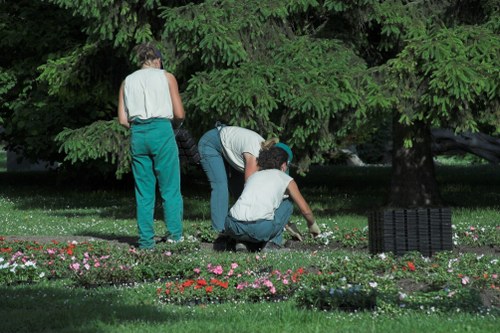
Every project is slightly different, but most turfing jobs follow a clear sequence. Understanding the process can help you plan around the work and know what to expect on the day. If you are arranging grass turfing in Brixton, a local contractor should be able to explain each step in plain language before any work begins.
The first stage is usually a survey or site assessment. This allows the team to look at the current condition of the area, check access, see whether there are slopes or drainage issues, and work out how much preparation will be needed. For some properties, the work may be straightforward. For others, the ground may need to be stripped back and rebuilt to create a reliable base.
Once the surface has been prepared, the turf can be delivered and laid efficiently. Timing matters, because turf should not be left stacked for too long in warm weather. A professional team will aim to complete the groundworks and laying with minimal delay, so the turf remains healthy and ready to root into the soil beneath.
After the turf has been laid, it is usually lightly rolled or pressed to help contact with the soil. The area is then watered thoroughly. In the early days, the lawn needs careful attention. This includes avoiding heavy use, checking moisture levels, and keeping pets and children off the turf until it has started to establish. A good installer will tell you how long this is likely to take based on the weather and the condition of the site.
Why local knowledge matters for Brixton gardens and outdoor spaces

Choosing a local team for turf laying in Brixton can make a noticeable difference. Brixton is a varied area, and projects often need practical problem-solving rather than a one-size-fits-all approach. A team that works locally is more likely to understand how to handle restricted access, busy streets, and the different kinds of properties found across the area.
For example, many homes in Brixton have limited front access, shared passageways, or rear gardens that can only be reached through the property. That means delivery and handling need to be planned carefully to avoid disruption. Parking can also be challenging, especially in streets where loading space is limited. A local contractor is better placed to factor these realities into the job and arrive prepared.
Local experience also helps when dealing with the types of soil and garden conditions commonly seen across South London. Some gardens may have compacted ground from years of foot traffic or construction work. Others may have poor drainage, old roots, or leftover materials from previous landscaping. These issues are easier to resolve when the service provider is used to working in similar environments.
Residential and commercial customers in Brixton both benefit from this practical knowledge. Homeowners want a tidy, durable lawn that suits family life. Landlords want a finish that improves kerb appeal and is straightforward to maintain. Businesses and community organisations may want a presentable green area that looks professional and can cope with regular use. The right local team will understand those priorities and tailor the work accordingly.
What types of customers use turfing services in Brixton?

Turf laying is not just for large gardens. In Brixton, people request new lawns for all sorts of properties and uses. The service is often chosen by homeowners who want to refresh a front or back garden, but it is equally useful for landlords, developers, facilities managers, and local businesses that need an improved outdoor space.
Here are some common customer types and reasons they choose turf installation:
- Homeowners looking to replace damaged or patchy grass with a fresh, even lawn.
- Families who want a safer and more usable play area for children.
- Landlords and letting agents needing a clean, presentable garden for a rental property.
- Developers and builders finishing a renovated property or outdoor refurbishment.
- Businesses that want a neat landscaped area outside offices, shops, or hospitality premises.
- Community spaces that need a practical, durable lawn for shared use.
Different customers have different goals. Some want appearance first. Others care most about durability, drainage, or ease of maintenance. A good turfing service should take those priorities seriously and recommend a lawn type and preparation method that suits the site, rather than pushing the same solution for every project.
Preparation checklist before your turf is laid
If you are planning a lawn replacement, a little preparation can help the job run more smoothly. Some tasks are best handled by the turfing team, especially the heavy lifting and ground preparation, but there are also a few things customers can do beforehand to make access and installation easier.
Before the installation day, it can help to:
- Clear garden furniture, toys, plant pots, and loose items from the area.
- Make sure any pets are kept safely away from the work zone.
- Check whether side access or rear access needs to be opened or unlocked.
- Tell the team about any drainage issues, old tree roots, steps, or fragile features.
- Arrange parking or loading space if possible, especially on busy Brixton streets.
- Discuss whether you want old turf removed, soil improved, or edging rebuilt.
It is also useful to think about how you want to use the finished lawn. A family garden that will see regular play needs a different approach from a decorative front lawn or a low-use courtyard. Being clear about your goals helps the installer suggest the most suitable preparation and maintenance advice.
Ground preparation matters more than most people think
Many turfing problems start with poor preparation. A lawn may look fine on day one, but if the soil underneath has not been levelled, loosened, or improved properly, issues can show up later. Uneven patches, pooling water, and poor rooting are all signs that the base was not ready. That is why turf laying should always be treated as a groundworks task as much as a finishing task.
If your site has been affected by building work, new paths, fencing, or raised beds, the ground may need extra attention. Soil may need to be added, removed, or blended with better quality topsoil. In some cases, a small amount of regrading is enough; in others, the area may need a more thorough reset. This is where local experience is valuable, because a team familiar with Brixton gardens will know how to handle common problems efficiently.
What affects turf laying prices?
Customers often ask what influences the cost of turfing. Exact pricing depends on the size of the area, the amount of preparation needed, and the access conditions at the property. It is sensible to request a quote based on the actual site rather than assuming all lawns cost the same.
Common pricing factors include:
- The size of the lawn or outdoor area.
- Whether old turf, weeds, or debris need removing.
- How much soil improvement or levelling is required.
- Drainage issues or slopes that need correction.
- Access restrictions, such as narrow side passages or no rear vehicle access.
- Whether edging, border work, or additional landscaping is included.
- The urgency of the work and the timing of turf supply.
It is worth remembering that the cheapest option is not always the best value. A lawn installed with proper preparation is more likely to establish well and last. That can save money later by reducing the need for repeated repairs, patching, or complete relaying. If you are comparing options for lawn turfing in Brixton, ask what the quote includes so you can compare like for like.
Benefits of choosing fresh turf over a tired existing lawn
There are plenty of situations where relaying turf is better than trying to rescue an old lawn. If the grass is thin, uneven, heavily weeded, or waterlogged, ongoing repairs may only provide short-term improvement. Fresh turf gives you the chance to start again with a cleaner surface and a more reliable result.
Some of the main benefits include:
- Instant improvement to the look of your outdoor space.
- Better usability for children, pets, visitors, or customers.
- Cleaner appearance that suits both modern and traditional properties.
- Reduced patchiness compared with an exhausted existing lawn.
- More consistent growth when the ground is prepared properly.
- Flexible use across gardens, courtyards, forecourts, and shared spaces.
For many Brixton customers, the biggest advantage is not just the appearance on day one, but the feeling that the space is finally usable. A neat lawn can frame a patio, soften a paved area, or make a small garden feel more balanced. That is especially useful where outdoor space is limited and has to work as a real extension of the home or business.
Choosing the right turf for your space
Not every lawn needs the same type of turf. The best choice depends on how the space will be used, how much sun it gets, and how much maintenance you are willing to do. A family lawn that gets regular foot traffic may benefit from a tougher variety, while a decorative area may prioritise a finer appearance. A local installer can help you think through the options without making the process overly complicated.
Questions to consider include:
- Will the area be used heavily, lightly, or mainly for appearance?
- Does the garden get strong sun, shade, or a mix of both?
- Is drainage already good, or does the site stay wet after rain?
- Do you want a low-maintenance finish or a more refined look?
- Will pets, children, or visitors use the lawn regularly?
Answering these questions early makes it easier to select the right approach and avoid disappointment later. The most attractive lawn is the one that fits the property and the way you actually live.
Aftercare: how to help your new lawn establish well
Once your turf has been laid, the first few weeks are important. The grass is alive and needs time to root into the soil below. Good aftercare helps protect your investment and gives the lawn the best chance to settle properly.
General aftercare steps often include:
- Water the turf regularly, especially during dry or warm weather.
- Avoid walking on the lawn until it has started to establish.
- Keep pets off the area for as long as advised.
- Check edges and corners, as these can dry out faster.
- Wait before mowing until the turf is rooted and has grown enough for a first cut.
- Watch for signs of drying, lifting, or uneven settling in the early stages.
It is also sensible to avoid heavy furniture, play equipment, or concentrated use too soon. Once established, a newly laid lawn can cope well with everyday life, but it needs a calm start. A professional team should tell you how to care for the turf based on the season and the conditions at your property.
Why aftercare is especially important in urban areas
In a built-up area like Brixton, gardens and courtyards can dry out unevenly because of surrounding walls, paving, reflected heat, and limited airflow. Some spaces may also be shaded for part of the day, which changes how the turf behaves. These local conditions mean aftercare should be practical and specific, not generic. Paying attention in the early weeks helps the lawn adapt to the site and reduces the risk of gaps or weak patches.
Areas covered around Brixton
Customers often want to know whether a turfing service covers nearby neighbourhoods as well as Brixton itself. Local coverage is useful because it makes site visits, material delivery, and timing easier to manage. It also helps the team stay familiar with the types of properties and access patterns found across the area.
Depending on the project, turf laying may also be arranged in nearby parts of South London such as:
- Clapham
- Stockwell
- Herne Hill
- Camberwell
- Denmark Hill
- Kennington
- Loughborough Junction
- Oval
If you are unsure whether your location is covered, it is worth requesting a quote and explaining the property type. A local service can usually advise quickly whether the site is suitable for turf installation and what kind of access or preparation will be needed.
Frequently asked questions about turf laying in Brixton
How long does turf take to settle?
That depends on the season, weather conditions, and how well the ground has been prepared. Turf usually begins rooting within a few weeks, but heavier use should wait until the lawn is properly established. Your installer should explain the likely timescale for your specific site.
Can turf be laid on top of old grass?
In most cases, no. Old grass, weeds, and debris should be removed before new turf is installed. Laying turf over an untreated base can lead to poor rooting, uneven results, and long-term problems with the lawn.
What if my garden has poor drainage?
Poor drainage should be addressed before turf is laid. Depending on the issue, this may involve regrading, improving the soil, or carrying out additional groundwork. It is better to sort the base properly than to try to hide the problem under new turf.
Do I need to be home during the work?
That depends on the arrangement and the access requirements of the property. Some customers prefer to be present at the start or finish, while others simply want to ensure access is available and the plan is clear beforehand.
Can turfing work in a small Brixton garden?
Yes. Turfing is often a great option for smaller gardens, side returns, and courtyards because it gives a clean finish without taking up much space. In compact outdoor areas, careful measuring and trimming are especially important.
What kind of maintenance does a new lawn need?
Regular watering at the start, cautious first mowing, and routine care after establishment are the main requirements. Long-term maintenance usually includes mowing, feeding, aeration, and occasional scarifying depending on how the lawn is used.
Is turfing suitable for rented properties?
Yes, many landlords and letting agents choose fresh turfing to improve the appearance of a property and make outdoor areas more appealing. It can be a practical option when a garden needs a reset between tenancies or after building work.
Why choose a local Brixton turfing company?
Working with a local team can make the process smoother from start to finish. A company that regularly works in Brixton is more likely to understand how to plan around busy roads, limited access, and the varied property layouts found in the area. That can save time, reduce stress, and help the project run more efficiently.
Local knowledge also helps with practical advice. A team familiar with nearby streets and garden types can suggest realistic preparation steps, identify likely issues early, and recommend lawn solutions that suit the space rather than overcomplicating the job. For customers, that means better communication and fewer surprises.
Another benefit is responsiveness. When you need a quote, want to discuss a site visit, or have questions about aftercare, it helps to work with people who understand the area and can respond with the right level of detail. If you want reliable turf laying in Brixton, choosing locally is often the most straightforward route.
Book your turf laying service
If your garden, yard, or outdoor business space is ready for a fresh start, now is a good time to request a quote. Whether you need a full replacement lawn, a new turf area after landscaping work, or a neat green finish for a property in Brixton, a professional installation can make a lasting difference.
Contact us today to discuss your space, ask about preparation, and arrange a quote for your project. If you are ready to move forward, book your service now and take the first step toward a better lawn that suits your property and your plans.