Recycling and Sustainability for Landscaping Brixton
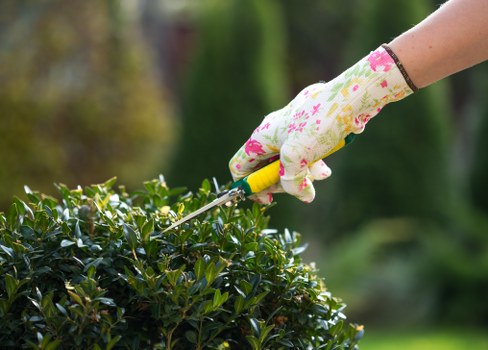 At Landscaping Brixton, sustainability is built into the way every outdoor project is planned, delivered, and maintained. A greener landscape is not only about healthy planting and efficient upkeep; it is also about how waste is handled, what materials are reused, and how carbon emissions are reduced throughout the process. Our goal is to achieve a minimum recycling rate of 90% across suitable green waste and project-related materials, with steady improvement each season as new recovery methods and supplier partnerships are introduced. This means prioritising separation, recovery, and reuse before anything is sent for final disposal.
Working across Brixton means operating in an area where local waste systems already place a strong emphasis on separation and responsible sorting. Different borough approaches to waste management often influence how soil, timber, metal, plastic, and plant matter are collected and processed. For landscaping activity, this is especially important because jobs can generate a mix of organic waste, broken containers, offcuts, and inert materials. Landscaping Brixton supports careful on-site segregation so that recyclable items are kept apart from contaminated waste, helping improve recovery rates and reducing the volume of material that goes to landfill or incineration.
Our recycling approach begins with planning. Before work starts, materials are assessed to identify what can be salvaged, separated, or sent to the right recovery route. Green waste such as grass cuttings, hedge trimmings, leaves, and small branches is directed toward composting or biomass facilities wherever appropriate. Stone, soil, and rubble from certain landscape works may be screened and reused when safe and suitable. Even packaging, plant pots, and metal fixings are sorted where possible so that recyclable streams are not mixed with general waste. 
Local Recovery Routes and Waste Separation
To support efficient disposal and recovery, Landscaping Brixton makes practical use of local transfer stations and licensed waste facilities across South London. These sites play a key role in sorting mixed loads, weighing material accurately, and sending recoverable waste into the correct treatment streams. Using nearby transfer stations also helps lower transport distances, which is an important part of reducing emissions. By choosing the closest suitable recovery point, we keep journeys shorter and make the overall service more efficient, especially when multiple collections are required during larger landscaping projects.
Our sustainability approach also reflects the way boroughs in and around Brixton encourage residents and businesses to separate waste at source. That same principle is valuable in landscaping, where clean separation can dramatically improve recycling outcomes. For example, untreated timber may be recovered differently from painted wood; metal fixings can often be separated from mixed debris; and organic matter should remain free from plastics or rubble if it is to be composted successfully. Recycling in Landscaping Brixton therefore relies on a disciplined sorting process that respects local waste rules and helps avoid contamination.
We also look carefully at procurement and material selection. Choosing products with recycled content, long service life, or lower packaging demand can reduce future waste before it is created. Wherever practical, surplus materials from one project are assessed for reuse in another, helping to minimise unnecessary disposal. 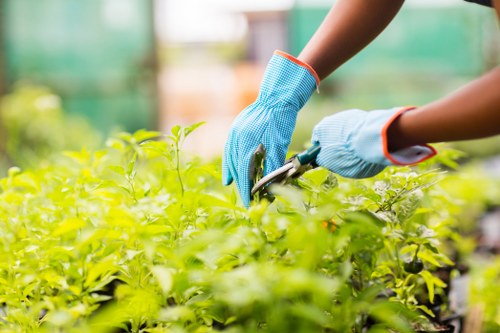 This approach is particularly useful in garden renewal and maintenance work, where raised-bed timber, decorative aggregates, and topsoil quantities can often be planned more precisely to avoid excess. Every reduction in waste supports our wider sustainability targets and creates a more efficient landscaping cycle from start to finish.
Charity Partnerships and Reuse
Another important part of our environmental commitment is working with local charities and community organisations to extend the life of reusable materials. Items such as healthy plants, planters, garden furniture in suitable condition, clean timber offcuts, and selected decorative materials may be donated or redirected where they can still be used. These partnerships help ensure that materials removed from one site can benefit another, supporting community projects and reducing demand for new resources. This kind of reuse is especially valuable in an urban setting, where practical and affordable materials can support school gardens, community plots, and neighbourhood improvement initiatives.
Partnerships with charities also reinforce a circular approach to landscaping. Instead of assuming that every removed item becomes waste, we first ask whether it can have a second life. This is part of the same mindset that underpins landscaping recycling in Brixton: conserve what is useful, recover what can be processed, and dispose of only what remains. In practice, this may involve coordinating uplift schedules, separating reusable materials during clearance, and identifying partners who can accept donations in a timely and compliant way. It is a simple idea, but it can make a meaningful difference to both environmental performance and local social value.
We aim to keep our recycling percentage high by combining reuse, donation, composting, and efficient sorting. The target is not just a number; it is a benchmark that shapes daily decisions. Each site is reviewed to see whether a greater proportion of waste can be recovered, whether materials can be ordered in more accurate quantities, and whether transport can be reduced through smarter scheduling. This continuous improvement mindset helps Landscaping Brixton remain responsive to environmental expectations while delivering practical results on the ground. 
Low-Carbon Vans and Cleaner Operations
 Transport is another area where small operational choices can produce meaningful sustainability gains. Landscaping Brixton uses low-carbon vans and fuel-efficient vehicles wherever possible to reduce the emissions associated with site visits, material deliveries, and waste collection. Modern vans with lower emissions, improved load efficiency, and better route planning help cut the carbon footprint of everyday landscaping work. Where routes are planned carefully, we can reduce unnecessary mileage, avoid repeat journeys, and consolidate collections so that fewer trips are needed overall.
Low-carbon travel also complements our recycling strategy. When waste is already sorted and correctly packaged, it is easier to collect in efficient loads and take directly to the most suitable local transfer station or recovery facility. That means fewer handling stages, lower fuel use, and less disruption to the surrounding area. This is especially relevant in Brixton, where busy streets and compact residential areas make thoughtful logistics essential. In addition, using quieter, cleaner vehicles supports a more considerate service for homes, businesses, and public spaces.
Ultimately, our recycling and sustainability work is about designing landscaping services that fit the needs of Brixton today while protecting the area for tomorrow. From borough-led waste separation habits to partnerships with charities, from responsible use of transfer stations to low-carbon vans, every part of the system is connected. Landscaping Brixton continues to refine its methods so that each project contributes to cleaner streets, healthier green spaces, and a lower environmental impact. By making recycling and resource efficiency a core part of the service, we help create landscapes that are both beautiful and sustainable.